The Indian National Flag is more than just fabric and colour – it is the heartbeat of our nation’s pride, a symbol not only of freedom for ourselves but of liberty for all people.
By law, the flag is traditionally crafted from khadi, the handspun cloth championed by Mahatma Gandhi. Its usage is guided by the Flag Code of India, ensuring dignity in every display. Once reserved mainly for government buildings and national holidays like Republic Day and Independence Day, it can now be proudly hoisted by citizens throughout the year, provided the respect it deserves is maintained.
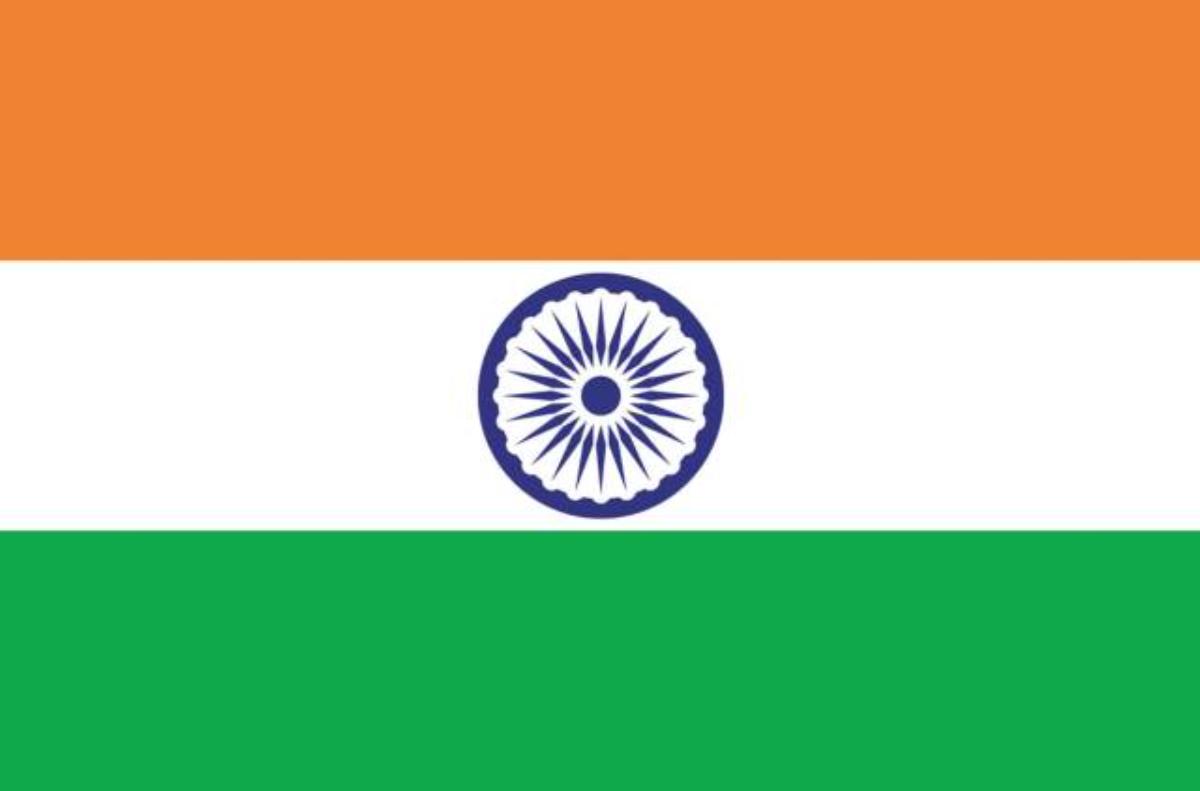
Popularly known as the Tiranga, our flag is a horizontal tricolour of deep saffron at the top, white in the middle, and green at the bottom, in equal proportions. Its width-to-length ratio is 2:3. At the centre of the white band sits the navy-blue Ashoka Chakra – a wheel of 24 spokes inspired by the Dharma Chakra, symbolising eternal progress and righteousness.
Page Contents
Meaning of the Colours and the Ashoka Chakra
Saffron: Represents courage, sacrifice, and the spirit of renunciation.
White: Stands for truth, peace, and purity of thought.
Green: Reflects prosperity, vibrance, and faith.
Ashoka Chakra: A constant reminder of justice, motion, and moral duty.
Journey of the Indian National Flag
The journey of our National Flag mirrors India’s own struggle for independence and unity. Officially adopted in its present form on 22 July 1947 by the Constituent Assembly, it served as the flag of the Dominion of India until 26 January 1950, and thereafter as the flag of the Republic. The design is credited to Pingali Venkayya, whose vision blended cultural symbolism with the dream of a free India.
Indian Flag 1904–06
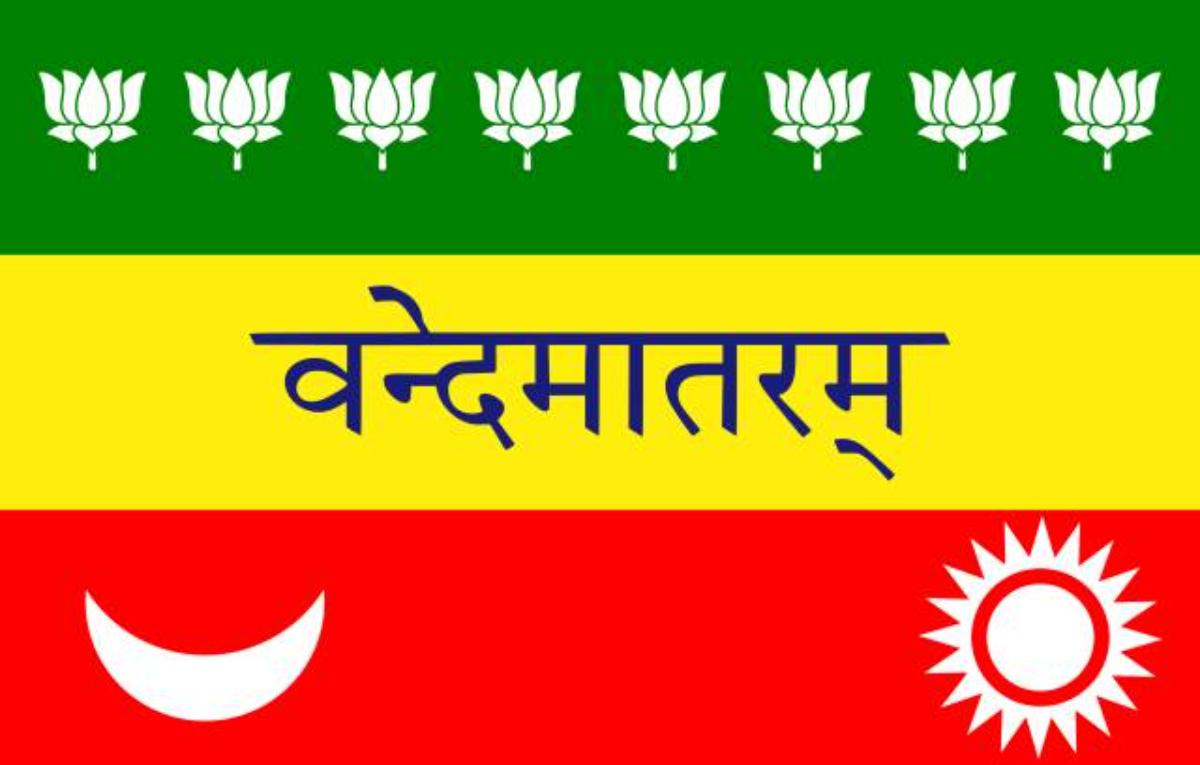
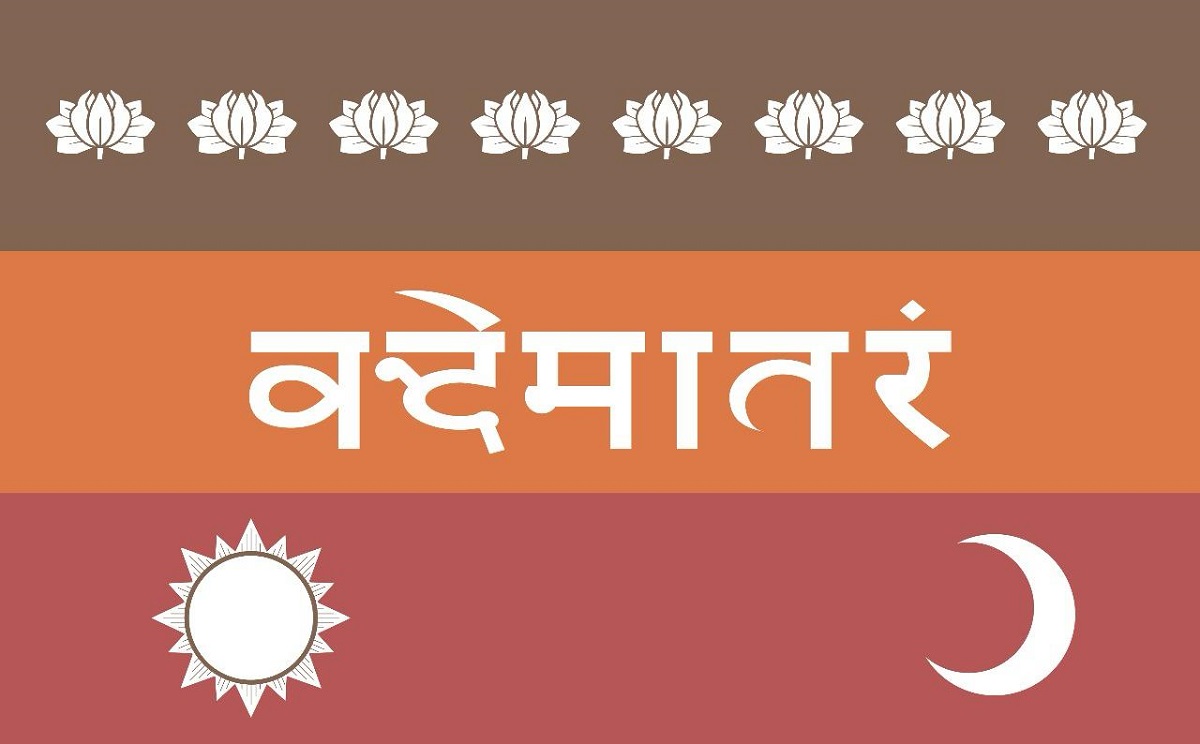
The earliest versions date back to Sister Nivedita, an Irish disciple of Swami Vivekananda, who created a red and yellow flag inscribed with “Vande Mataram” in Bengali script. The red signified sacrifice, yellow symbolised victory, the Vajra (thunderbolt) embodied strength, and the lotus stood for purity.
1906:
In August 1906, the “Calcutta” or “Lotus” flag – featuring orange, yellow, and green stripes with eight lotuses and “Vande Mataram” – was hoisted at Parsi Bagan Square, Kolkata, marking a powerful moment in the Swadeshi movement.
Indian Flag – 1907
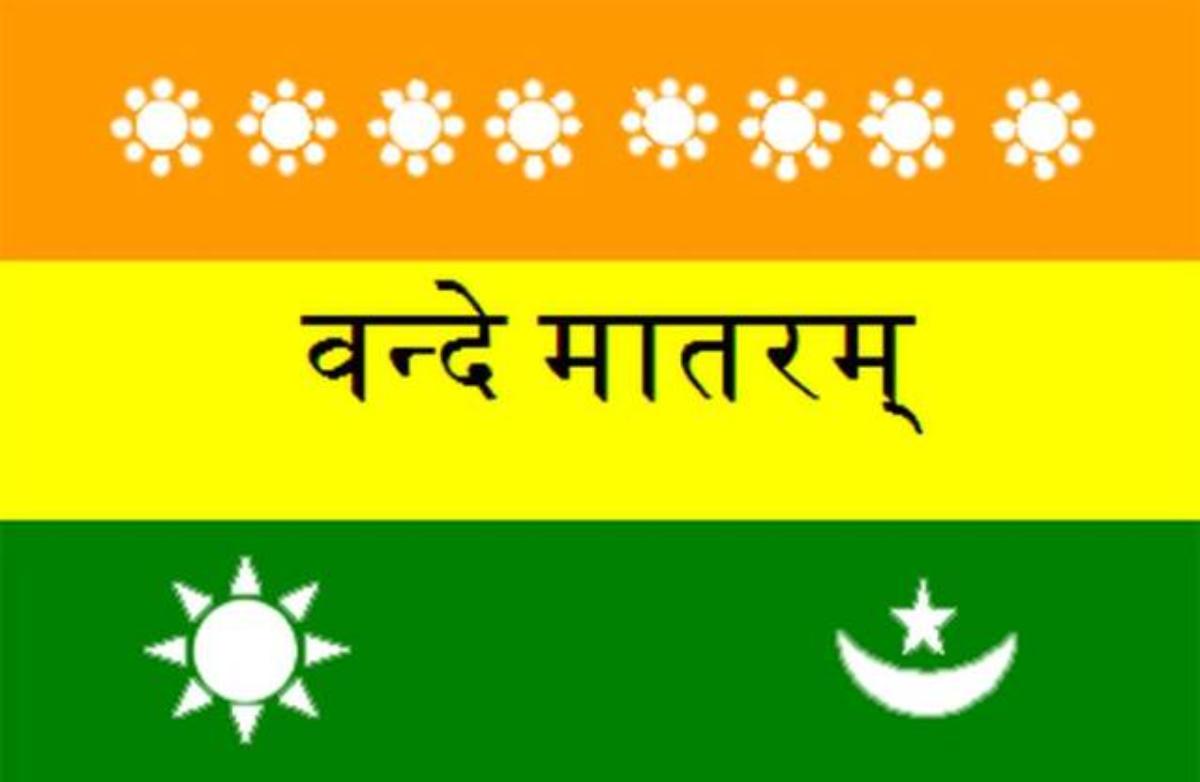
In 1907, Madam Bhikaji Cama unfurled an Indian flag in Stuttgart, Germany – the first time it was hoisted on foreign soil. This design featured green, saffron, and red bands with symbols and slogans of freedom.
1916–21:
Pingali Venkayya began experimenting with flag designs, eventually presenting a tricolour with a charkha at the centre. The colours evolved to include white for all communities, green for Muslims, and red (later saffron) for Hindus and Sikhs.
Indian Flag – 1921
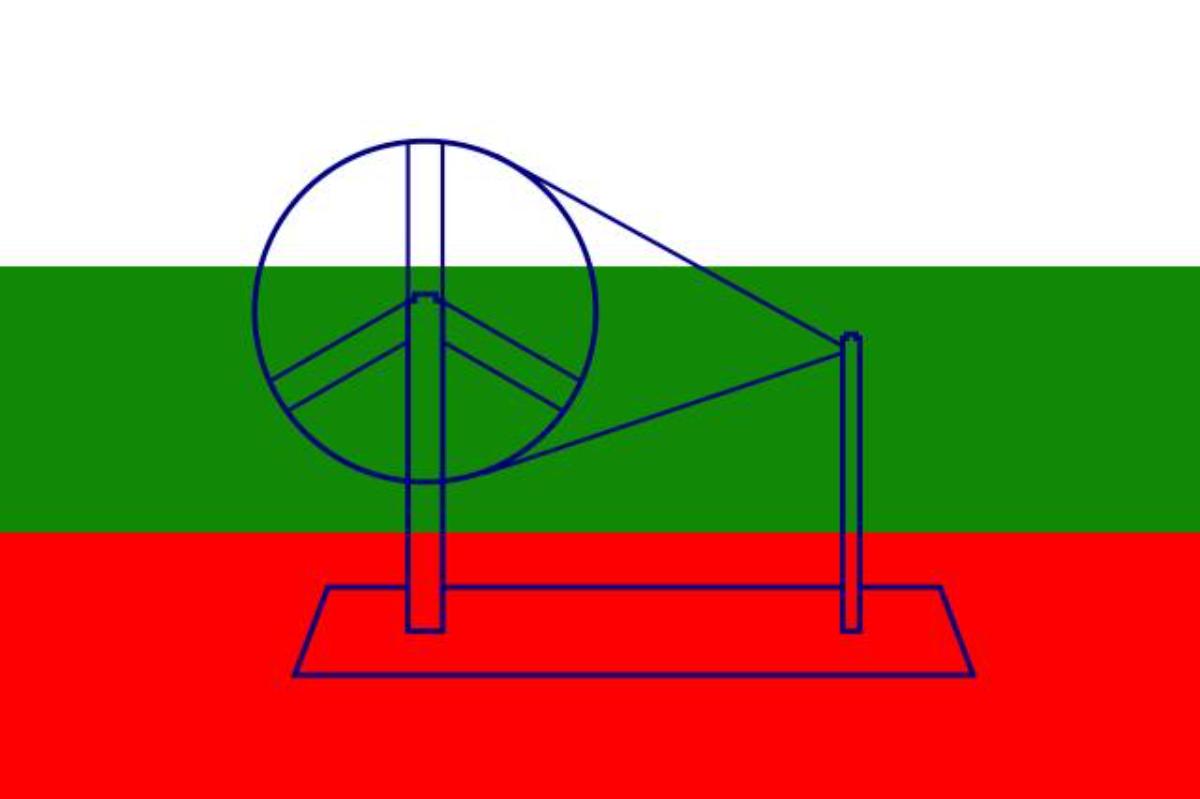
The 1921 version inspired by the Irish tricolour included white, green, and red with a spinning wheel, symbolising unity and self-reliance.
1931:
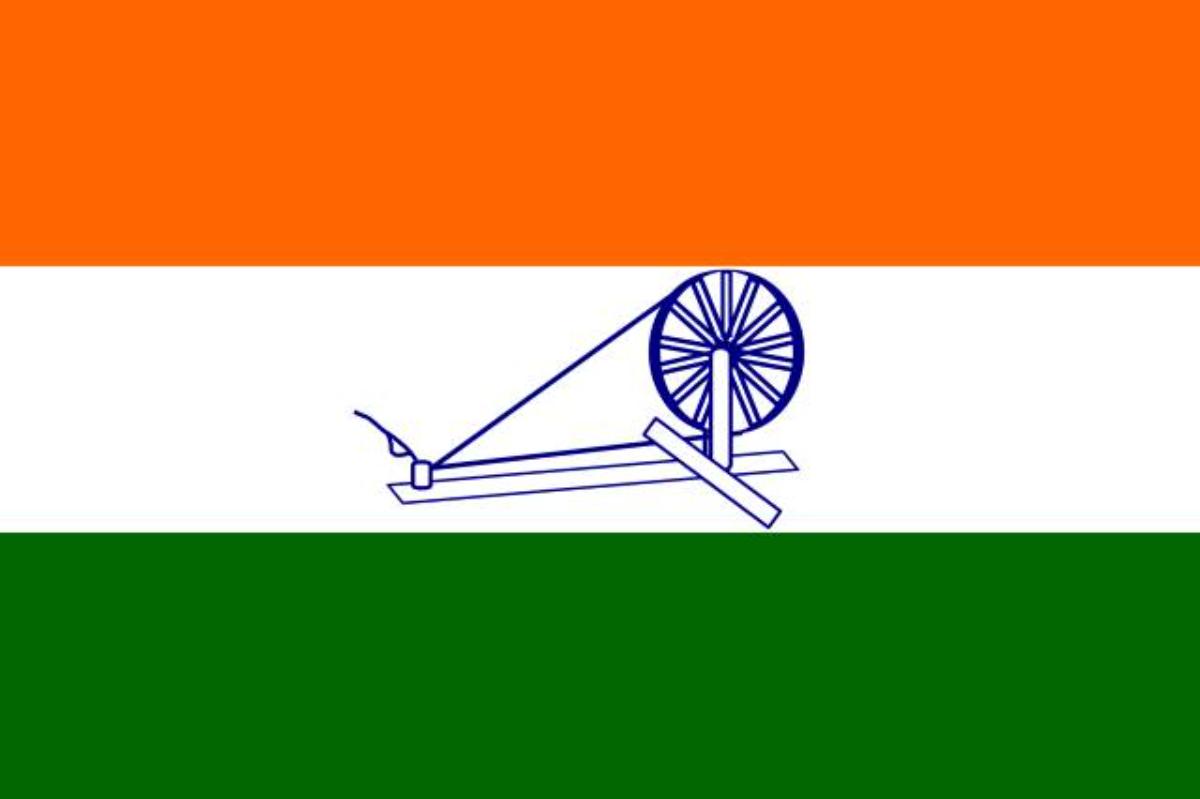
In 1931, to remove communal associations, a new saffron, white, and green flag with a spinning wheel was adopted – the direct forerunner to today’s National Flag.
1947:
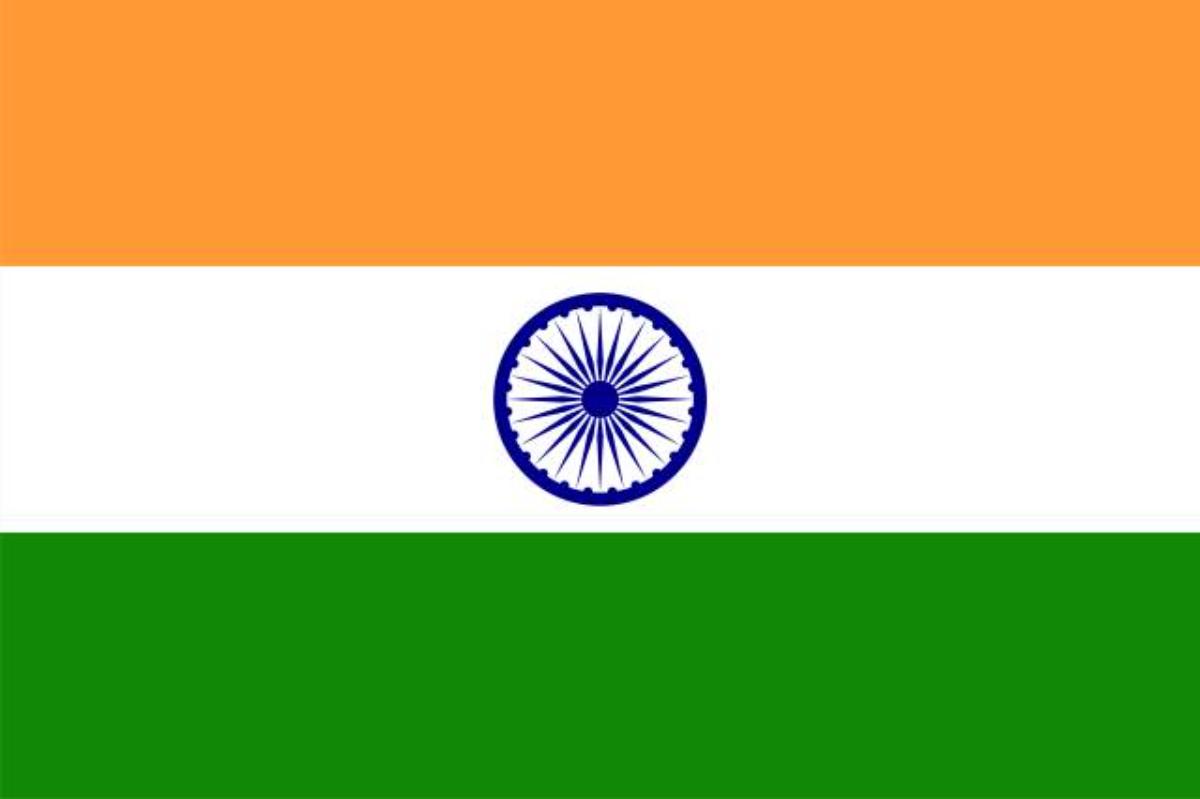
At Independence, the charkha was replaced with the Ashoka Chakra, giving us the National Flag we honour today.
Flag Manufacturing & Standards
The Bureau of Indian Standards defines the precise specifications – from the khadi fabric to the dye, thread count, and dimensions. Two types of khadi are used: one for the body and one for the staff-binding.
Flag Code & Respect
- When hoisted horizontally, saffron should always be on top; in vertical displays, saffron must be to the viewer’s left.
- No flag should be placed above the National Flag or to its right.
- In processions, carry it on the marching right or at the front and centre.
- The flag must not be used for commercial or decorative purposes.
- Lower it respectfully at sunset unless otherwise allowed.
Interesting Facts
- Designed by Pingali Venkayya in 1947.
- First hoisted on Mount Everest in 1953.
- Carried into space by Rakesh Sharma in 1984.
- One of the largest flags flies in Connaught Place, New Delhi.
- World’s largest human flag created in Chennai in 2014.